New Exhibition Reveals Creative Process Behind Peter Hujar’s Photography
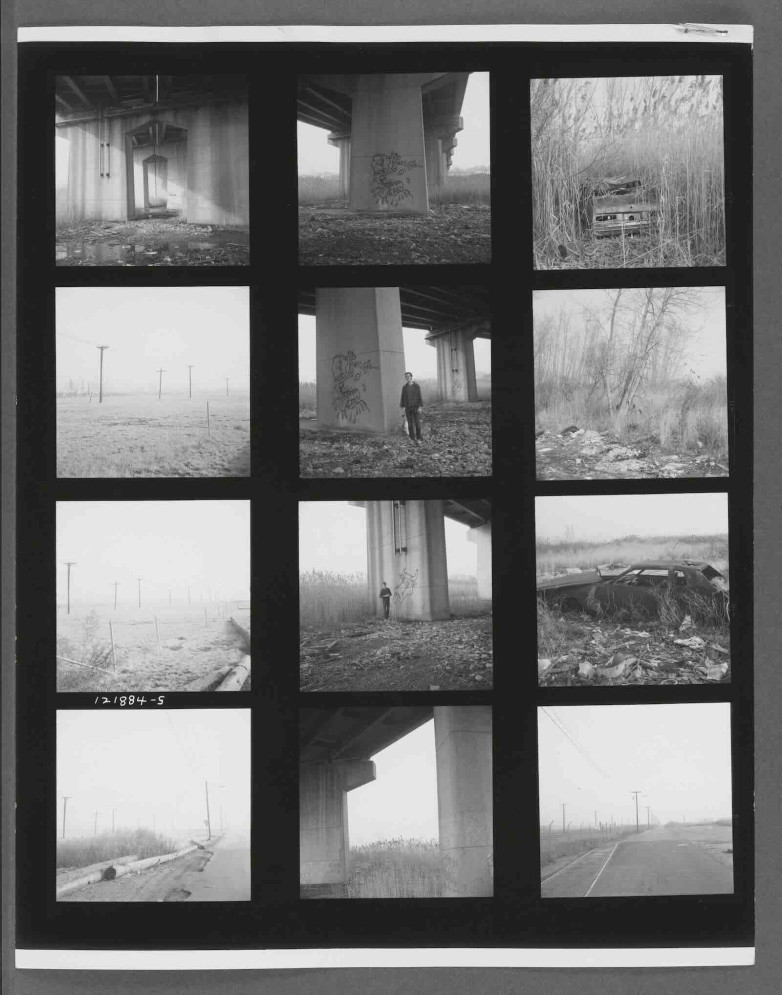
Caven Point, New Jersey, with David Wojnarowicz, 1984, Peter Hujar Collection



Hujar: Contact is an exhibition exploring the life, times, and creative evolution of photographer Peter Hujar opening later this spring at the Morgan Library & Museum.
On view from May 22 through October 25, the exhibition features more than 110 contact sheets and 20 enlargements from the Morgan’s collection of Peter Hujar’s works. Highlights include portraits of artists and performers such as Marsha P. Johnson, Jackie Curtis, Patti Smith, Candy Darling, John Zorn, and Ethyl Eichelberger, as well as Hujar’s creative collaborators and lovers, including Paul Thek, Joseph Raffael, and David Wojnarowicz.
In 2013, the Morgan acquired the 5,783 black-and-white contact sheets Hujar (1934–1987) possessed at the time of his death, along with two notebooks, or “job books,” in which he recorded his photographic assignments and personal projects from 1954 until 1985. Together, these materials provide a detailed record of an artist who left no written reflection on his work.
Each contact sheet on display reproduces an entire roll of film, allowing viewers to follow Hujar’s eye through a series of exposures. Many of the contact sheets include Hujar’s own handwritten notes, marks, and annotations, which indicate his changing approach to cropping and printing and elucidate the editorial decisions behind each final image.
“Contact sheets reveal an intimate history of Hujar’s habits, inspirations, and happy accidents, the intricacies hidden behind a final print,” said Joel Smith, curator of the exhibition and Richard L. Menschel Curator and Department Head of Photography at the Morgan. “Hujar: Contact illuminates the physical process that was central to his artistic practice.”
Reproduced at large scale on the walls will be dozens of pages from Hujar’s job books which provide the closest thing to a chronological account of his career. The earliest surviving page dates to 1954, when Hujar was beginning to photograph friends and loved ones in New York. Over the following decades, the notebooks grew into a numbered record of hundreds of shoots, following the artist from his job as a studio assistant in the 1950s to his work in fashion and music journalism in the late 1960s, and ultimately to the independent portrait practice that defined his mature work in downtown New York.
By the mid-1970s, Hujar had become a central figure in the cultural life of New York’s East Village. Working primarily with a medium-format camera that allowed him to maintain eye contact with his sitters, Hujar cultivated an atmosphere in which photographer and subject shaped the image together.