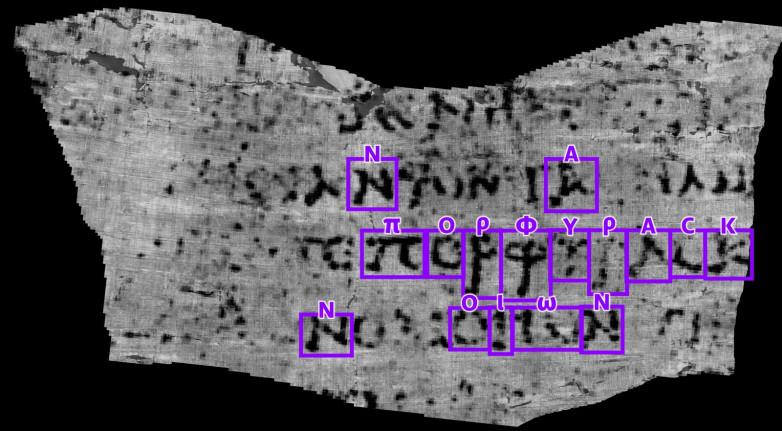



Reading these ancient texts is not magic. It is science. “Whenever we see opportunities to uncover layers of history with technology, we try to reach out to the research community and build up interest to formulate and answer important questions,” said Irène Fabry-Tehranchi, French specialist at Cambridge University Library, who has been working on the Merlin manuscript.
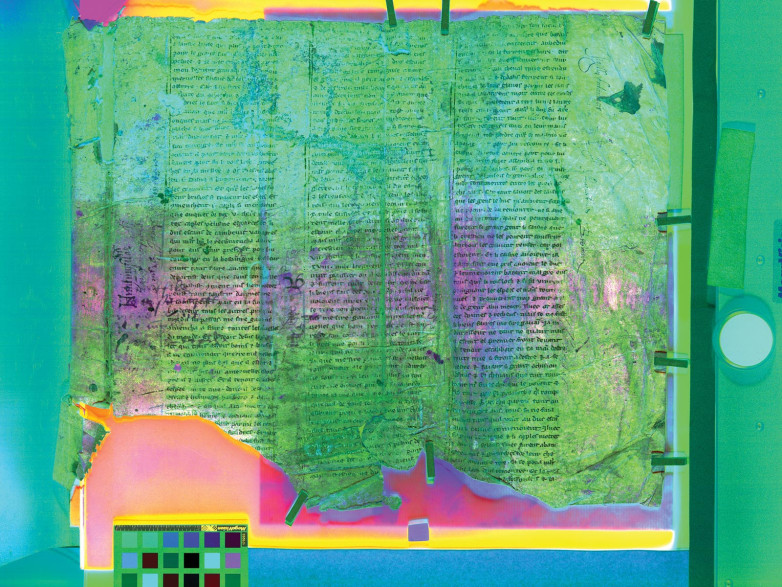
It was 2019 when archivist Sian Collins rediscovered the fragment. A bifolium—meaning two sheets folded together to form four leaves—of the medieval French Suite Vulgate du Merlin had been reused as a cover for the court rolls of Huntingfield Manor in Suffolk. Fabry-Tehranchi recalled, “Sian read the words Excalibur and Gauvain and was thrilled about it!”
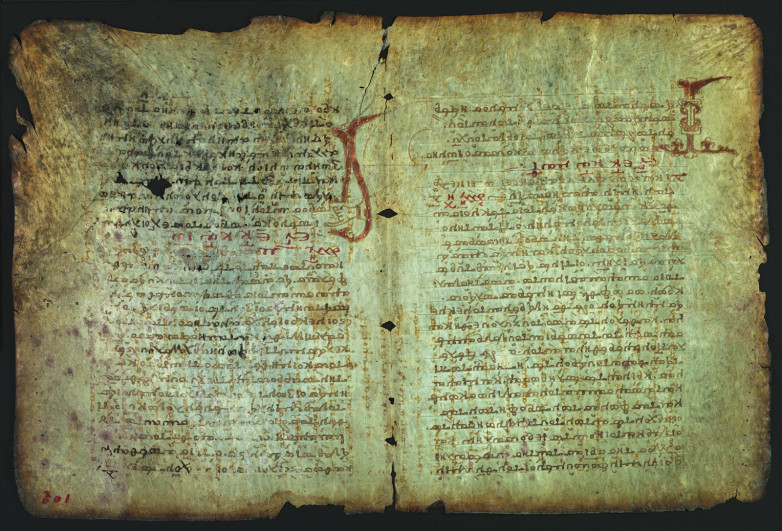
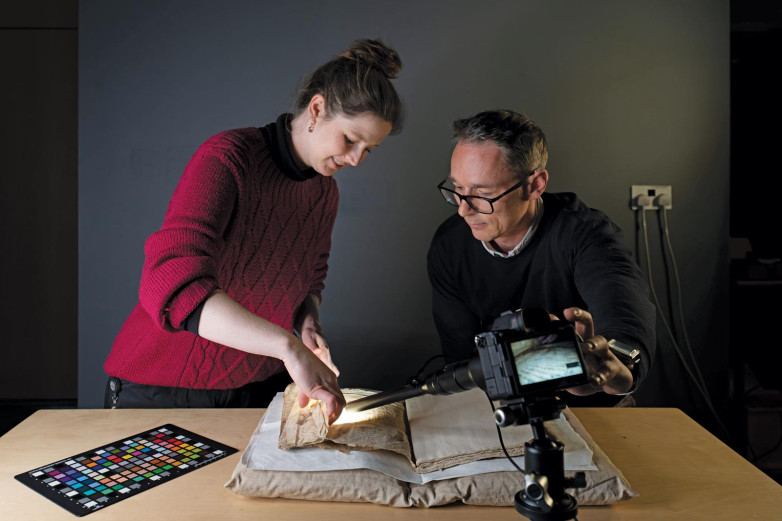
MSI can take several photographs at once, using different colors of light, including colors that we can’t see, like infrared. The MSI done on the Merlin fragment provided access to faint, erased parts and marginal annotations that were unreadable to the naked eye. Fabry-Tehranchi stated plainly, “MSI was invaluable.”