First Report of American Independence to Reach Britain to Go on Display
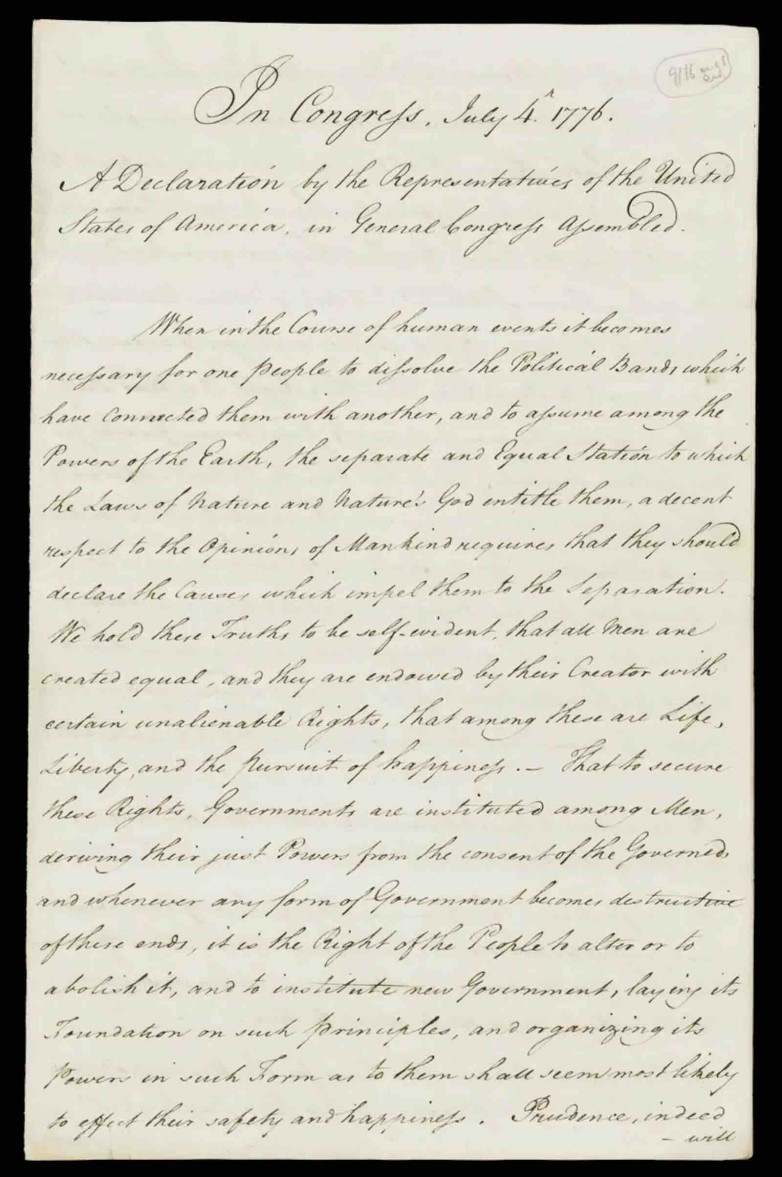
The independence report document



To mark the 250th anniversary of the adoption of the Declaration of Independence on July 4, 2026, the National Maritime Museum in London will unveil a special display showcasing what may be one of the earliest British reports of American independence.
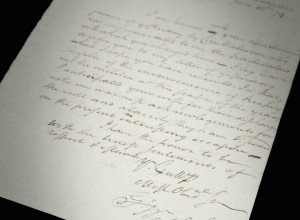
At the centre of the free display opening on June 15 are a letter dated July 10, 1776 and a handwritten copy of the Declaration made between July 5 and 10, 1776, sent to John Montagu, 4th Earl of Sandwich, First Lord of the Admiralty, by Vice‑Admiral Molyneux Shuldham, Commander‑in‑Chief of the North American Station. The documents are believed to be among the first written accounts of American independence to reach Britain.
Sent to Britain only days after the Declaration was first printed in Philadelphia, the letter reveals that Vice-Admiral Molyneux Shuldham had transcribed a printed copy of the "late Declaration of the Continental Congress" now known as the Dunlap Broadside shortly after it reached him while commanding the British naval blockade of New York. Shuldham describes the Declaration as "perhaps the first authentick [sic] confirmation of what has been so long suspected. The establishment of Independence in America".
The first Dunlap Broadside known to have reached Britain arrived in August 1776. Shuldham’s transcription, sent to the Earl of Sandwich in mid-July may therefore be one of the earliest reports of American independence to reach British shores.
"It is just possible this was the very first text of the Declaration of American Independence to reach British shores," said Martin Salmon, Curator of Manuscripts at the National Maritime Museum. "Yet it’s the accompanying letter that’s in some ways even more interesting because it gives insight into the timing and circumstances in which the document was created. Molyneux Shuldham was relieved of command, his replacement did not arrive until July 12, 1776. It is likely that among the very last acts of his command was to ensure the intelligence of American independence being fact, was communicated home."