
A Decade of Uplifting Women Collectors

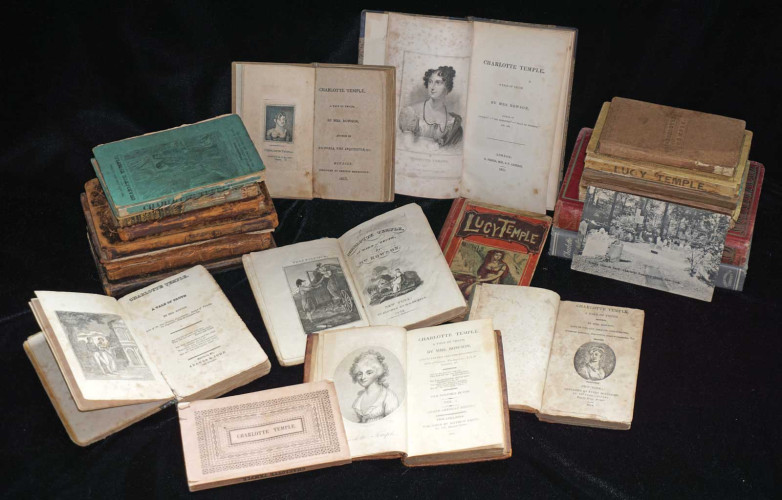
Courtesy Emily Wells

Emily Wells, who received an honorable mention in the 2020 Honey & Wax Book Collecting Prize, collects editions of Susanna Rowson’s 1791 besteller Charlotte Temple, “a poor girl who died for love.”

This year’s Honey & Wax Book Collecting Prize, which champions women book collectors, will be the last. Named after the antiquarian bookselling business established in 2011 by Heather O’Donnell, who was joined by Rebecca Romney (now of Type Punch Matrix) in 2016, it has annually, since 2017, awarded $1,000 for “an outstanding book collection conceived and built by a young woman.”

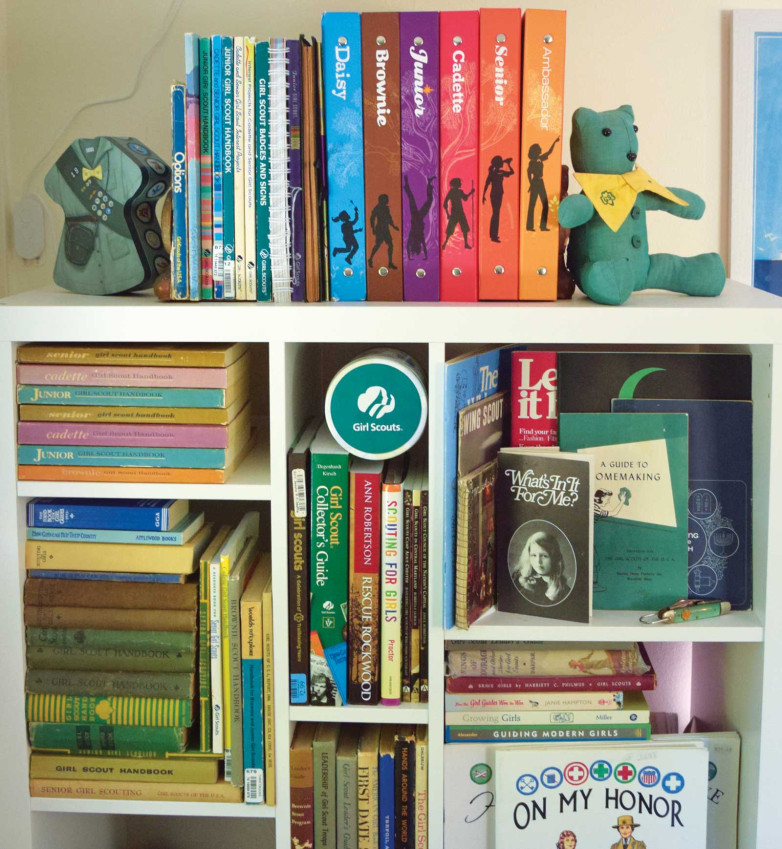
Courtesy Elsie Birnbaum

Elsie Birnbaum’s Girl Scout handbooks received a 2022 honorable mention.

“Equal parts enthusiasm and exasperation” is why they set up the prize, said O’Donnell. “We always liked to hear what people were collecting, especially if they were forging new paths, and we wanted to encourage young collectors, who often work without a lot of support or interest from those around them. We limited the prize to women because we observed that the women who regularly bought books from us were less likely to call themselves ‘collectors’ than the men, even when those women had spent years actively collecting books. We hoped to see more young women openly identifying as collectors, and this prize provided a direct financial incentive for them to do that, as well as a way to celebrate and share the collections they were building.”

The prize has been open to women (defined in a fully inclusive sense) collectors in the United States, aged thirty or younger, who do not need to be enrolled in a degree program.

“We were also, frankly, tired of the grumbling from certain of our senior colleagues at every antiquarian book fair that young people don’t collect, women don’t collect, etcetera,” added Romney. “We thought those complaints were probably untrue. A contest seemed like a direct way to gather some counter-evidence.”

Although currently less than a fifth of the membership of the Antiquarian Booksellers’ Association of America (ABAA) are women, O’Donnell pointed out that the prize has been successful.
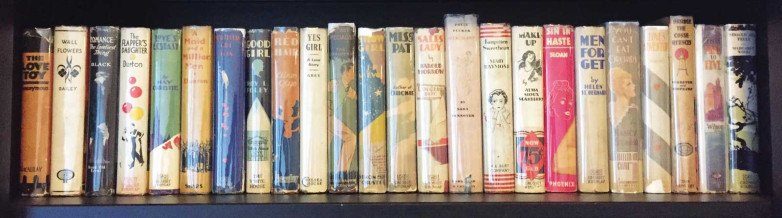
Courtesy Jessica Hubbard

2017 winner Jessica Hubbard collects romance novels from the Jazz Age and Depression eras.

“It has encouraged hundreds of young women to catalogue and share their personal collections,” she said. “Some of those collections have inspired published books and digital humanities projects; some have served as community resources and archives. We locate the lasting impact of this prize in those who started collecting because they read about the winning collections and were motivated to create something comparable.”

Subjects covered by the winners and honorable mentions have certainly been diverse, starting from the inaugural winner Jessica Kahan, whose collection aims to capture women’s experiences through the lens of popular American romance novels of the 1920s and ’30s.

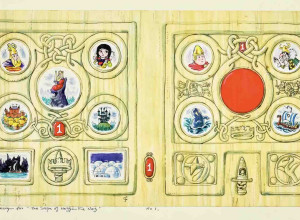
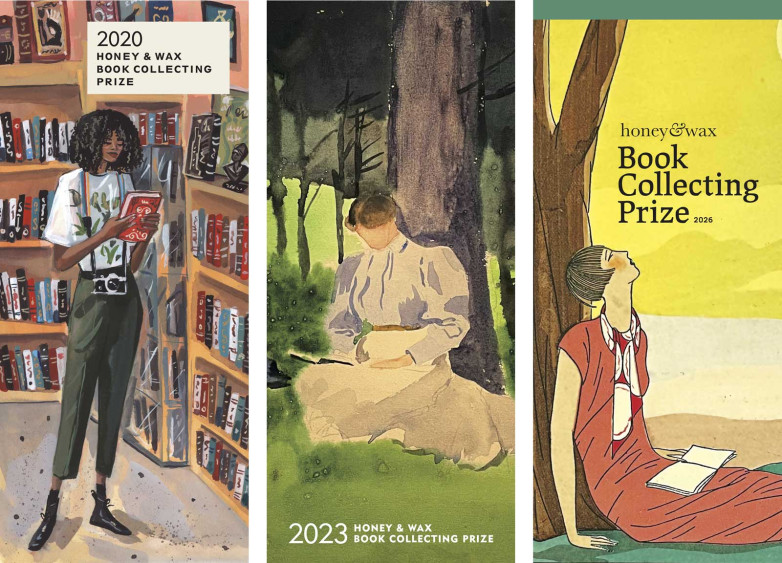
Courtesy Honey & Wax

Honey & Wax Book Collecting Prize illustrations.

Other collections have focused on actresses playing theatrical parts written for men; pioneering nineteenth-century astronomer Maria Mitchell; sex and queer BDSM books and pulps; women insurgents and revolutionaries; changing cultural expectations charted in Girl Scout handbooks; forgotten women writers and publishers from the Lost Generation; feminist and lesbian books and periodicals issued by independent American women-run presses; and individual writers such as Susanna Rowson, Ella Rhoads Higginson, and Barbara Pym.

The prize’s closure means there is no book collecting prize dedicated exclusively to women, although the majority of winners of the David Ruggles Prize, established in 2021 for young collectors of color, have been women. Elsewhere there is the ABAA Mentorship Program run by the ABAA Gender Equity Initiative (which organizes an annual networking event at the Boston International Antiquarian Book Fair for women in the trade) and the Diverse Voices Fellowship at CABS-Minnesota. General book prizes such as the Susan Tane Prize for Student Book Collectors (originally established in 2005 by Fine Books & Collections), the California Young Book Collector’s Prize, the Kirkpatrick Prize for Book Collecting (in Colorado), and the Ticknor Book and Book Culture Collecting Prize (in New England) also welcome emerging collectors, encouraging broader representation in the field.

So why is the prize winding down? “When we first came up with the idea for the prize in 2017, we had no idea what to expect,” said Romney. “The response over the past decade has been deeply rewarding, but sustaining that momentum has required hundreds of volunteer hours from us each submission cycle. We’ve accomplished what we hoped to achieve, documenting the existence and celebrating the creativity of this very active group of collectors.”