Unfinished Byron Fragment Leads New Vampire Exhibition
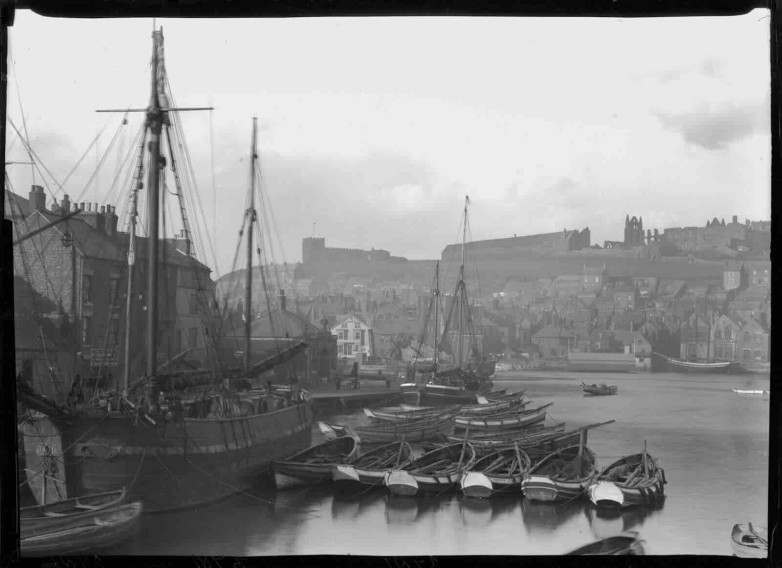
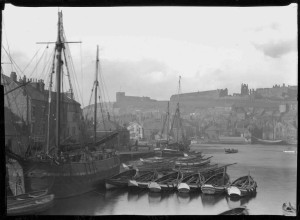
Godfrey Bingley, Whitby, Across Harbour, 1896


A new exhibition opening today at the University of Leeds follows the bloody trail of the vampire through artistic movements and cultural moments from ancient times to the present.
Running through May 29, 2027 in the Treasures of the Brotherton museum, Quite Shameless: Cultural Reflections on the Vampire features handwritten manuscripts and first editions of Gothic literature, and also looks to ancient folklore, science, medicine, theatre and contemporary cultural anxieties to piece together a picture of an immortal fiend.
In a letter written after the publication of Dracula, Bram Stoker joked, “Lord forgive me, I am now quite shameless!” This is among the items from Leeds’ holdings of Stoker correspondence and manuscripts. The author’s expansive fund of inspiration is seen in source material ranging from books on Hungary and Transylvania to Sabine Baring-Gould's 1865 Book of Were-Wolves documenting canine teeth, pointed nails, transformations, wolves and eerie blue flames.
Dr Emily Middleton from the School of English at the University of Leeds has been supporting a research project on the Bram Stoker letters ahead of the exhibition: “Very few of Stoker's letters ever mentioned Dracula," she said, "but recently students and volunteers have found at least 17 letters written to Stoker by friends who read the book, from the wife of the Bishop of Ripon who saw it as a "painfully, hideously true" allegory of sin, to former Prime Minister W. E. Gladstone who congratulated Stoker on its success.
“Within the 3,000 letters we have in the collection of Stoker's correspondence, we are beginning to uncover an author who was deeply rooted in political, theatrical and literary circles, and future research will map the extent of Stoker's networks, showing how his social life intersected with his most famous work's interest in social issues, modern technology, and the literary history of the vampire.”
Exhibition highlights include:
- Sheridan Le Fanu’s 1872 Carmilla which introduced readers to a seductive female vampire who continues to be a transgressive touchstone, presented here with the original letter in which Le Fanu coined the phrase "a pleasing terror"
- playbills, photographs and scrapbooks from Hamilton Deane’s play which arrived at Leeds Grand Theatre in 1927
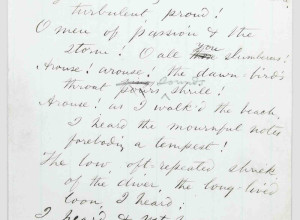
- the original manuscript of Lord Byron’s unfinished Fragment of a Novel which is often thought to mark the birth of the literary vampire, presumed to be the poet’s contribution to the infamous ghost story writing competition at the Villa Diodati in 1816
- a first edition of John William Polidori’s short story The Vampyre written for the same gathering
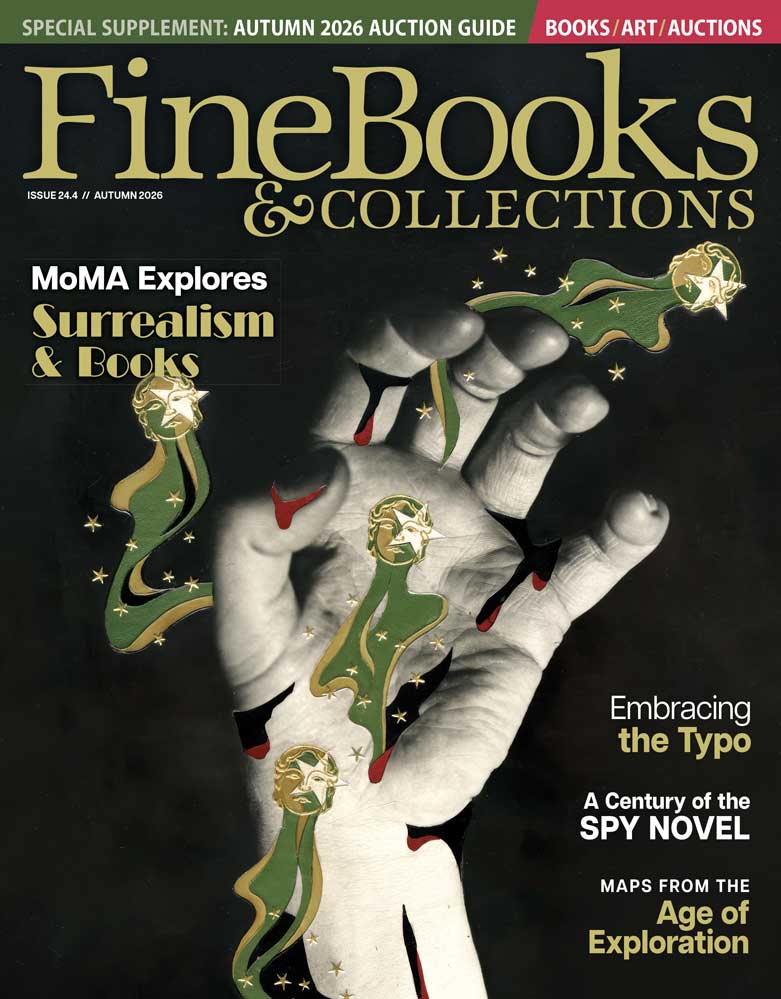
- one of John Bingley Garland’s ‘Blood’ découpages from the mid-19th century, part of the merchant-politician’s bizarre wedding gift to his daughter consisting of collaged fragments of handwriting and William Blake prints overlaid with painted drips of blood and Gothic ornamentation
“The vampire is unlike other monsters," said Literary Archivist and co-curator Sarah Prescott, "it frightens and fascinates us. This exhibition explores how this came to be through some of the exceptional letters, manuscripts and books in our collections. As we’ve worked on Quite Shameless, we’ve discovered just how long stories of the returning dead have captured imaginations, and how the figure of the vampire has been used to reflect society’s fears, anxieties and hidden desires.