
An Attic Rediscovery of Flannery O’Connor’s Art

Courtesy Georgia College & State University

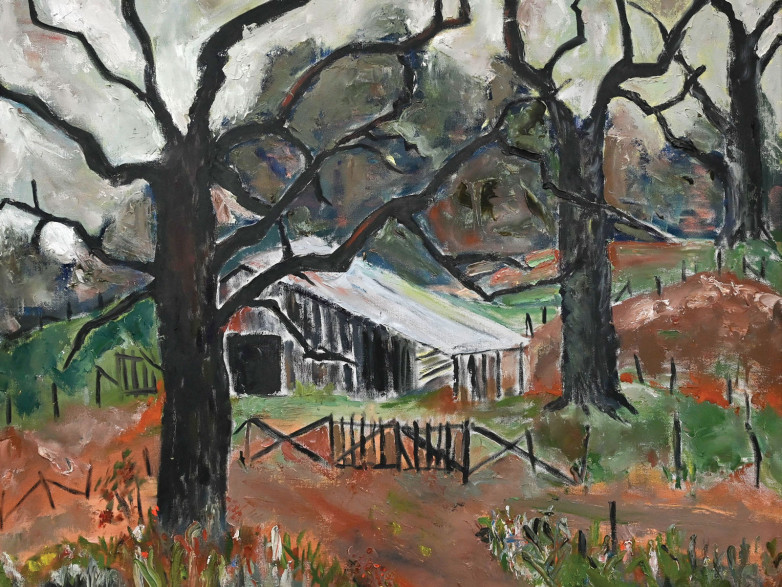
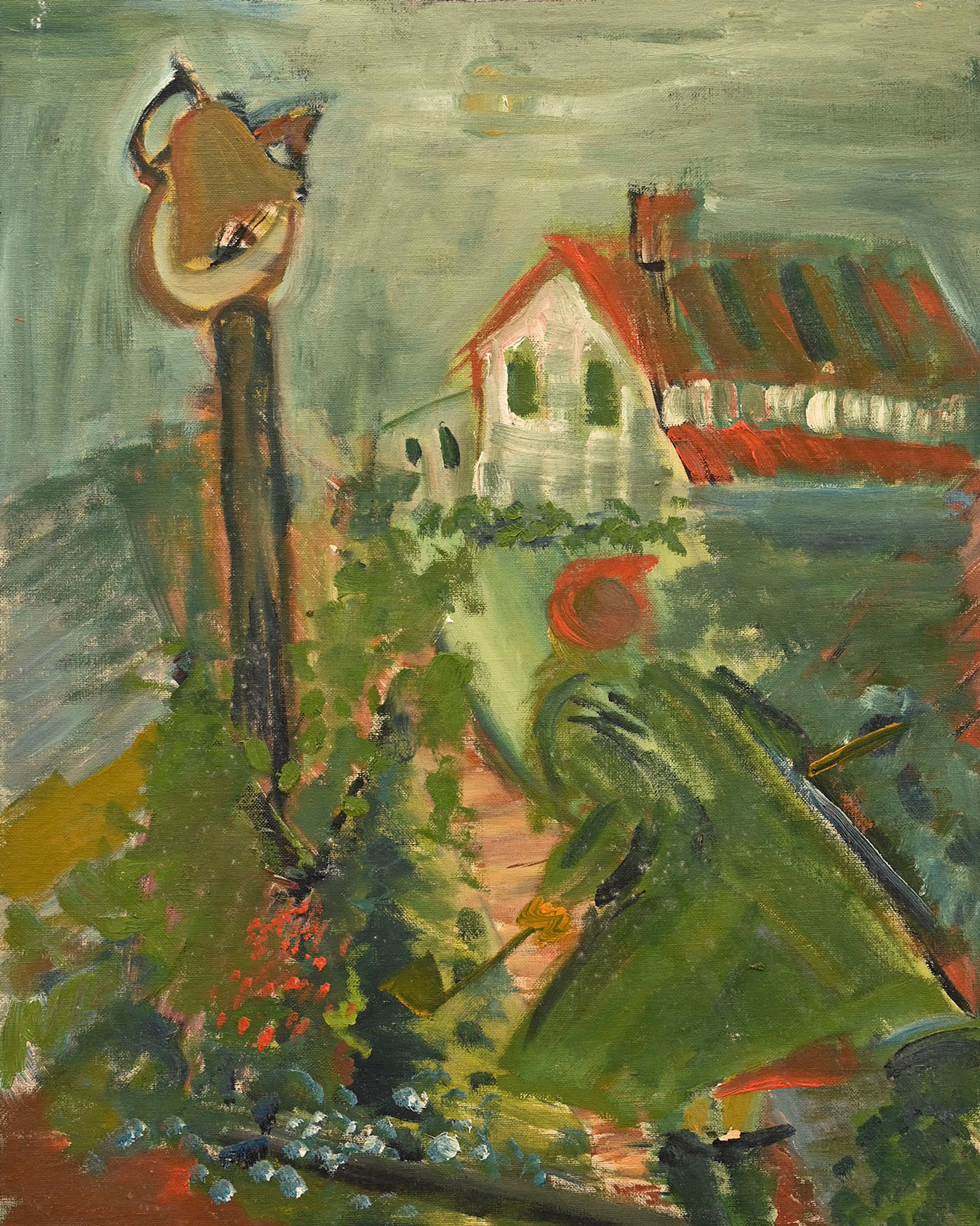
Flannery O’Connor’s painting of a barn at Andalusia, her family farm in Milledgeville, Georgia.

Flannery O’Connor is best known as a master of Southern Gothic storytelling, but before writing classics like “A Good Man Is Hard to Find” and Wise Blood, she wanted to be an artist. “Her career goals were to become a cartoonist for the likes of the New Yorker,” said Amanda Respess, director of news and media relations at Georgia College & State University. 

For decades, proof of that dream sat undiscovered. Then in 2023, paintings were found in the attic of O’Connor’s childhood home, a 200-year-old white clapboard house on West Greene Street in downtown Milledgeville, Georgia. Through early 2026, Georgia College & State University, her alma mater and home of her archive, is presenting an exhibition of over two dozen paintings by O’Connor, as well as journals, childhood toys, and other artifacts. Organized in honor of O’Connor’s hundredth birthday, it is on view at her family farm, Andalusia, now owned by the college. She moved there in 1951 following her diagnosis with lupus.

Louise Florencourt, her first cousin, executor, and the last resident of the West Greene Street house, died in 2023, bequeathing it to Georgia College & State University and paving the way for O’Connor scholars to find the paintings. “Everything that’s on display currently has never been seen before by the public and really paints an interesting picture,” said Cassie Munnell, curator at Andalusia.  

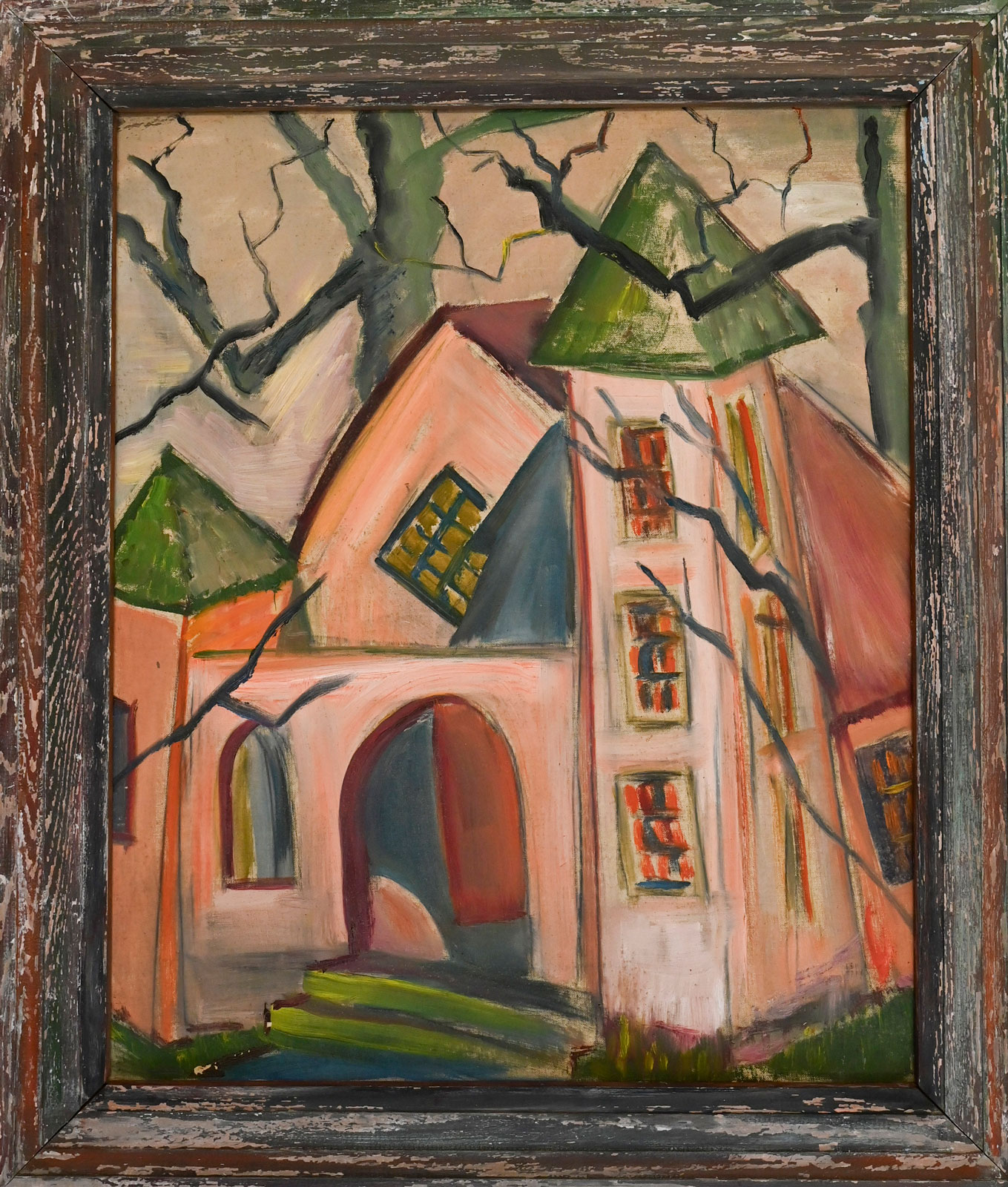
A painting of a church by Flannery O’Connor.
1/4
Courtesy Georgia College & State University

A painting of a church by Flannery O’Connor.

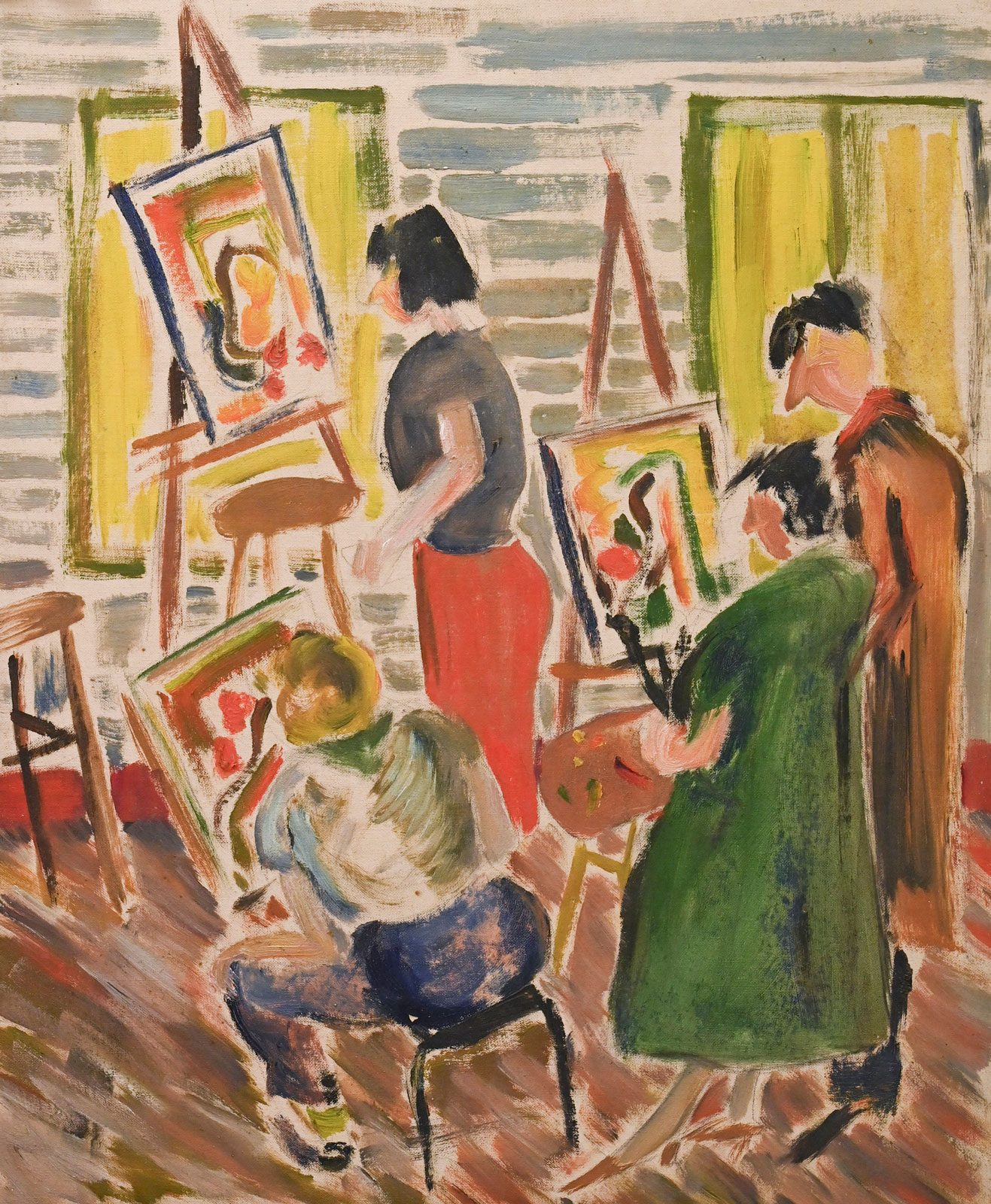
A painting of an art class by Flannery O’Connor.
2/4
Courtesy Georgia College & State University

A painting of an art class by Flannery O’Connor.

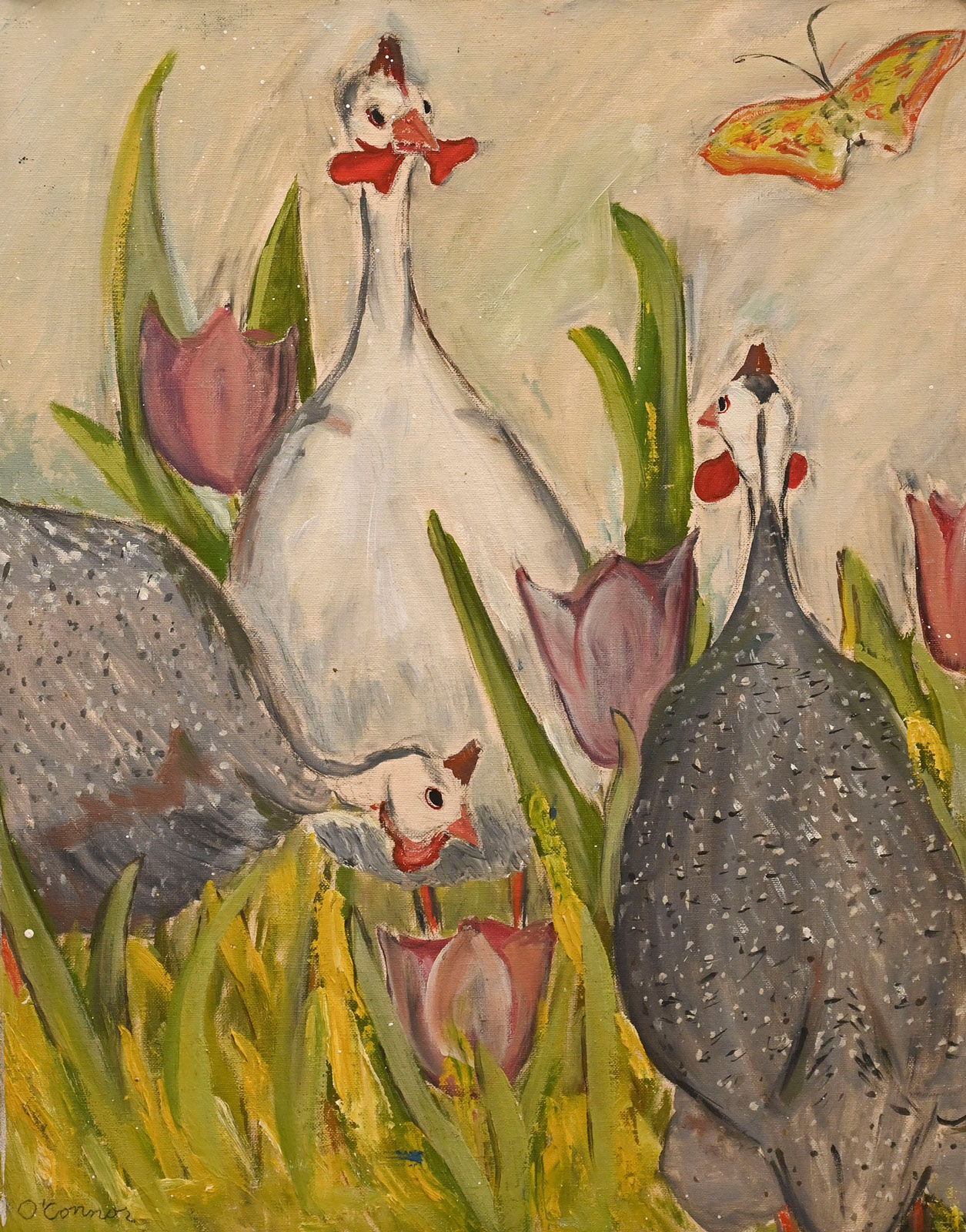
A painting of chickens by Flannery O’Connor.
3/4
Courtesy Georgia College & State University

A painting of chickens by Flannery O’Connor. 

A painting of Andalusia with Regina O’Connor by Flannery O’Connor.
4/4
Courtesy Georgia College & State University

A painting of Andalusia with Regina O’Connor by Flannery O’Connor. 

As for the artistic aspects of the work, Munnell said that viewers can expect “an almost impressionistic quality,” with similarities to her writing style, including “exaggerated movement, facial expressions, caricatures, and settings.” For example, Munnell noted a self-portrait that seems to incorporate religious imagery. Depicted from the shoulders up, O’Connor is topped by a halo of yellow curls in a pixie cut.

Also notable are a pair of portraits, which Munnell said are the most detailed and photorealistic of O’Connor’s work, especially compared to the more outlandish colors and dramatic features in her self-portraits. Both depict Black women, one approximately in her fifties and the other a young teen, who Munnell believes might have been workers on the farm. 

“These are really interesting to me,” Munnell said, “because the relationship between Flannery O’Connor and race and the relationship between her and the workers on the farm have always been up in the air.” She added that while O’Connor’s writing illustrates the racism behind the genteel façade of Southern life, the art raises further questions and encourages deeper discussion.

Some of those discussions may happen in that childhood home. Georgia College & State University is getting to work on renovating and restoring the West Greene Street house. Some rooms may be redecorated so visitors can see what the home looked like when O’Connor lived there. There are also plans to have event space for talks, readings, and other gatherings.

Respess hopes that the current exhibition and future iterations of West Greene Street will give scholars and fans alike a broader, more complex picture of O’Connor’s legacy. “So many people study Flannery’s literary body; now we have her visual art that can add to our understanding of her as an artist completely,” she said.