


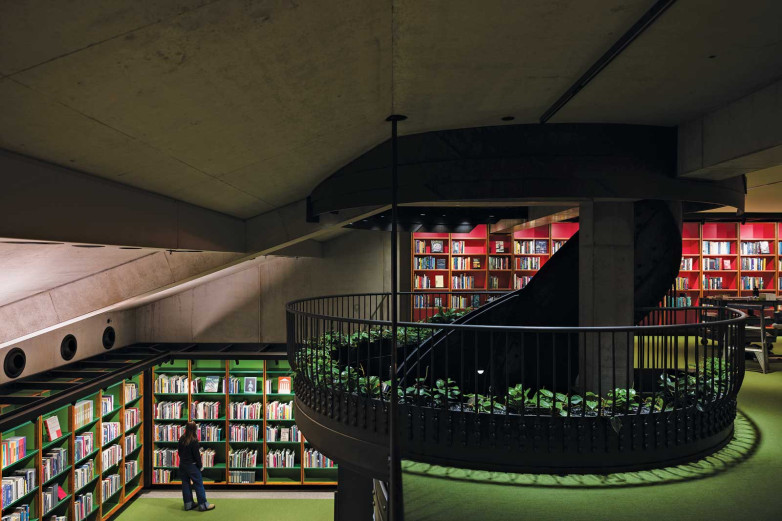
Phrontisterion’s greatest departure from library tradition may be what’s missing: call numbers.
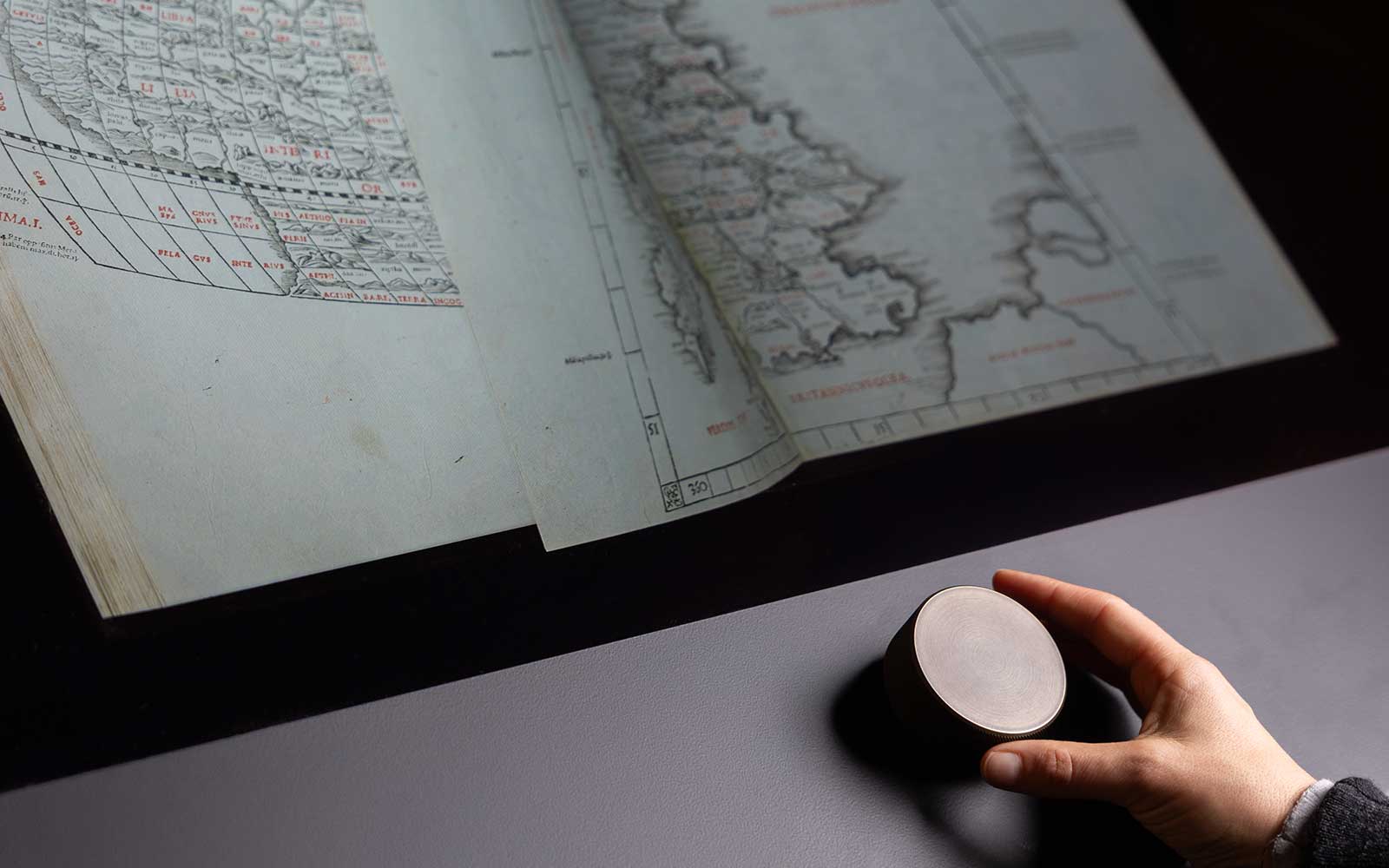
“We don’t have Dewey. We have the O,” Mona proclaims. The “O” is the museum’s proprietary digital system, originally developed to replace wall labels in its galleries. In Phrontisterion, it also replaces the fixed order of a conventional library. Cameras repeatedly photograph the shelves, allowing the system to recognize and locate individual books. If a visitor puts a book back somewhere else, that’s fine: the O can find it again.
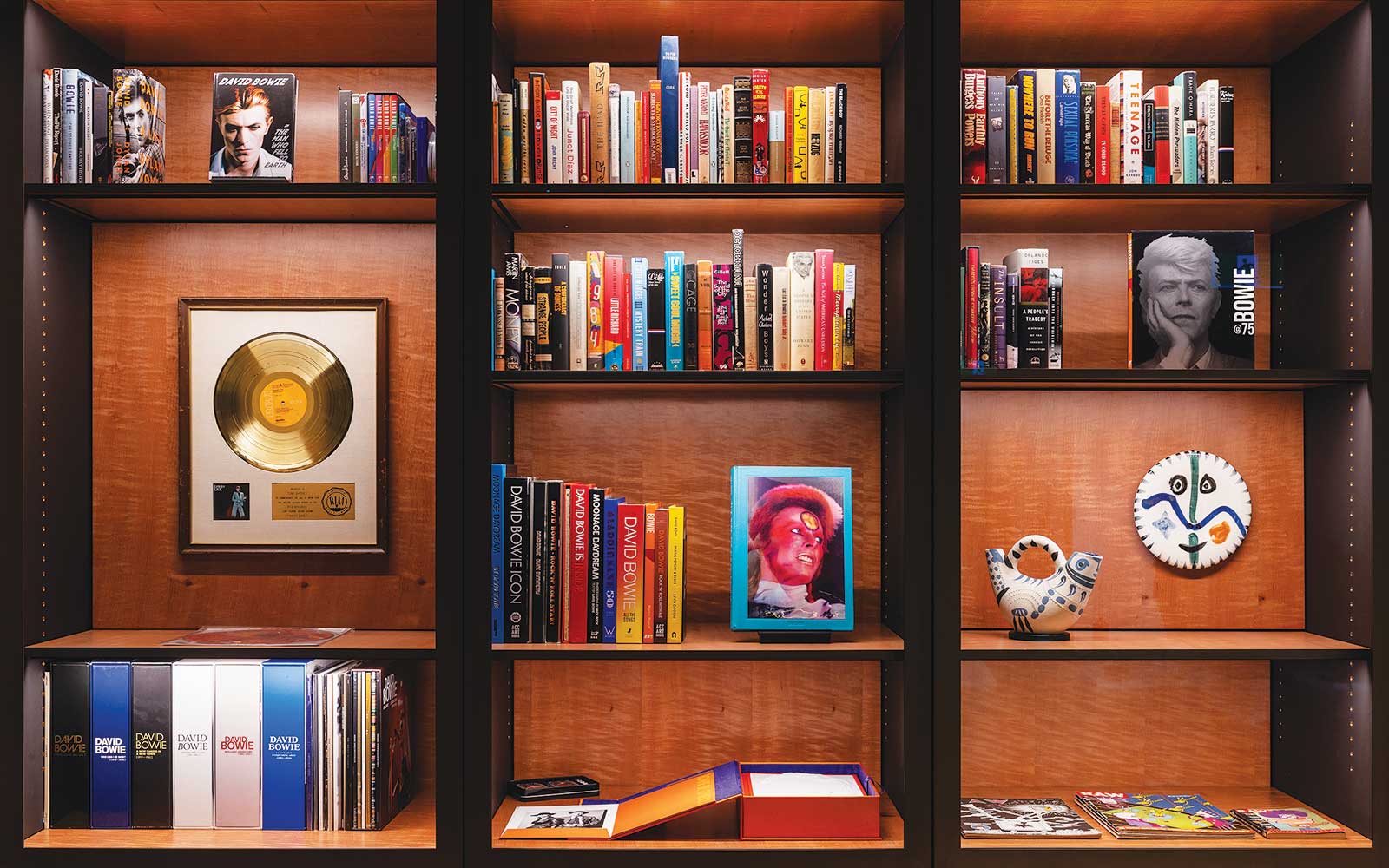
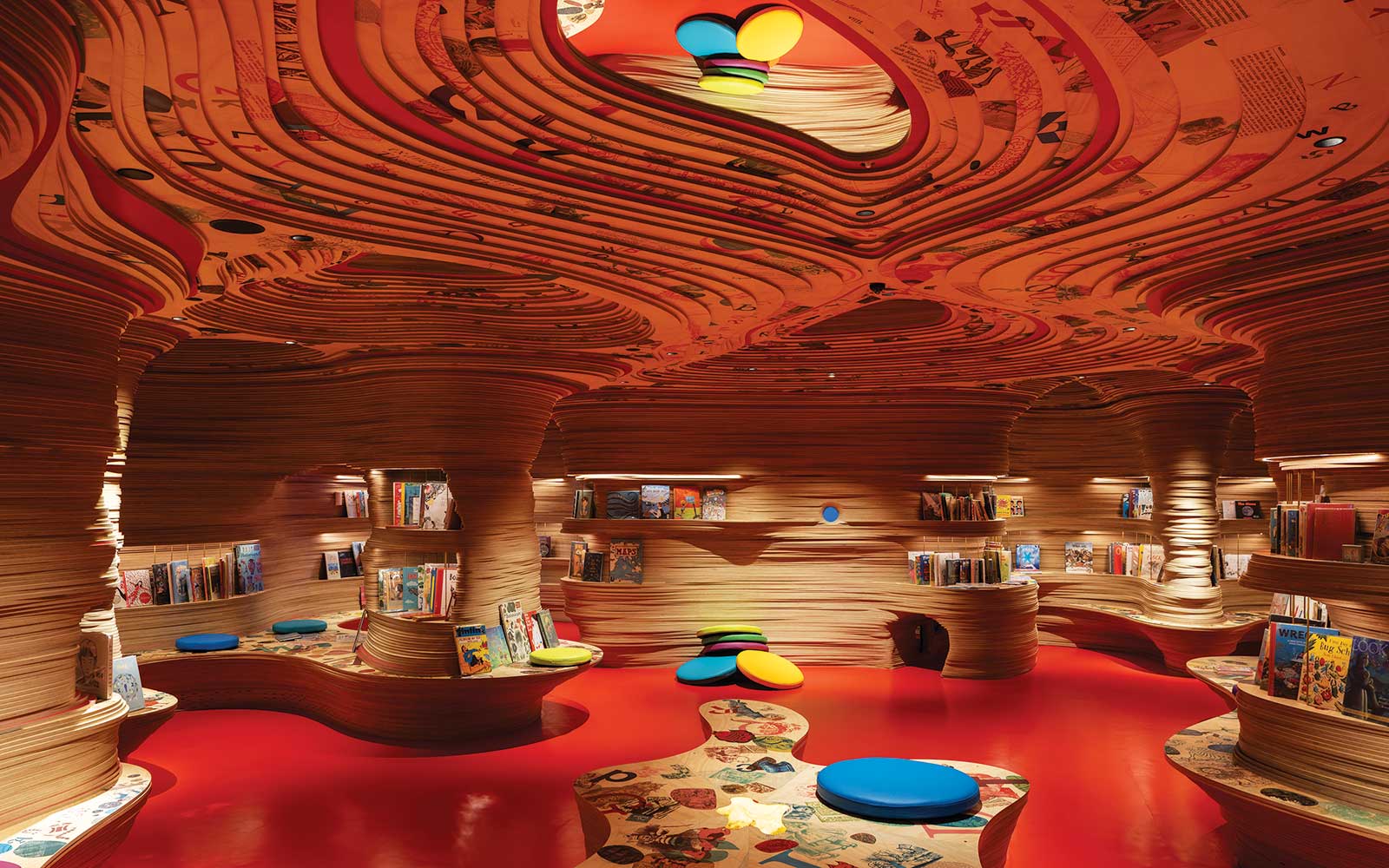
That freedom allows the librarians to arrange books by theme, association, aesthetics, or whim—the sex books, for example, are arranged by color.
Walsh sees this as more than an amusing upgrade to the Dewey Decimal system. “Dewey is a 150-year-old system dominant in a world where every facet of engagement changes in a timescale of years or months,” Walsh explained. “It has been phenomenally useful, and it still has its place, but I want to enable librarians to have the same freedom as curators—I want them to be curators.”
It’s an intriguing inversion of the conventional museum library, where books serve as research infrastructure for the objects. At Phrontisterion, the books are curatable objects. Technology takes care of finding them, freeing the humans to decide what they might mean next to each other.
Even the library’s somewhat forbidding name has a bit of a wink attached. “Phrontisterion” derives from Aristophanes’s Clouds, the ancient Greek satire that lampoons Socrates and the intellectual pretensions of Athens. In the play, the Phrontisterion is Socrates’s “thinkery,” a disreputable school where the debt-ridden Strepsiades hopes to learn the rhetorical tricks necessary to escape his creditors. This Tasmanian “thinkery,” however, is open to everyone.
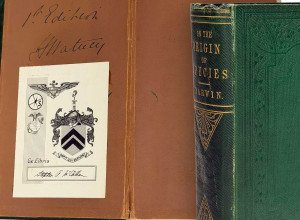
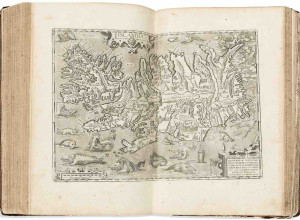
For all the irreverence, Walsh takes books seriously. His collection has grown according to his shifting interests, supplemented by purchases intended to strengthen particular areas and by acquisitions made by Mona’s librarians. It includes items on architecture, mathematics, and ancient Egypt, but also wine, gambling, religion, sex, and death. “This library isn’t about books I’ve read,” Walsh said. “It’s about books I might want to read. It’s what I don’t know that has dominion over me.”
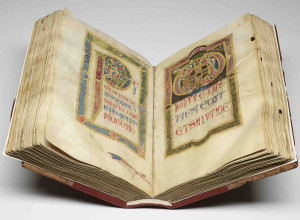
His collecting has also brought objects to Tasmania more readily encountered in the libraries and museums of Europe and North America. Asked whether he consciously wanted to bring such treasures to locals who might otherwise have to travel thousands of miles to see them, Walsh turned the premise around: “I want to bring objects to Tasmania that non-Tasmanians will travel thousands of miles to see.”
Perhaps the Phrontisterion’s most important experiment is whether all those treasures can inspire curiosity in an age of distraction and disengagement. Walsh remembers libraries as places of opportunity, available even to a child without much money or access to museums. “Books induced awe in me as a child, and that feeling has not diminished,” he said. “One of the parameters by which I’ll measure the success of Phrontisterion is whether some of our visitors have that same feeling.”