


What do you personally collect?
I wrote my dissertation on the literary figuration of worms in 18th century literature, which means that friends and family have furnished me over the years with a neat collection of worm-related paraphernalia (bookworm stickers, pillows, cards, magnets, the list goes on). It turns out that worms are a rather thriving commercial icon these days!
What are your interests outside of work?
I have an 18-month-old toddler, which means that my “interests” these days are mostly limited to preventing her from launching herself into dangerous surfaces. When I’m not doing that, I memorize poetry and bird calls, garden, cuddle with my cats, and learn about wine, skiing and history from my brilliant oenophile husband!
What do you find most rewarding about special collections librarianship?
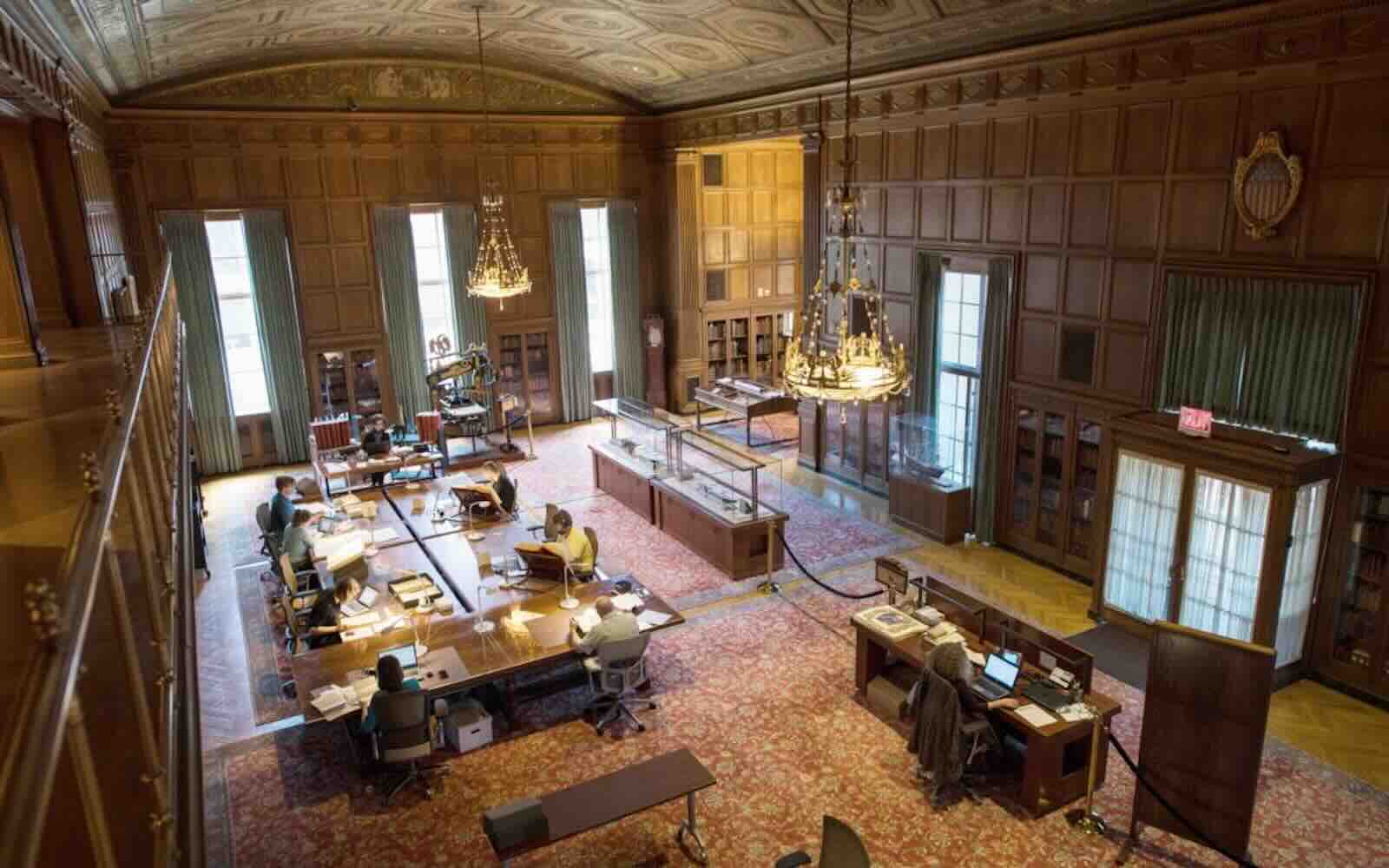
I always tell our students that collections like the Clements’ are important because they hold hugely vital documentary evidence from early American history – but they also hold not-so-famous diaries, journals, letters, drawings, etc. from people whose names haven’t made the history books (yet!). By caring for these materials and using them for instruction, we’re saying that those lives matter just as much as that of a famous diplomat or military officer.
I am touched when I can connect researchers with hand drawn notes from a schoolgirl, doodles of a cat knocking over an inkwell, and the other “stuff” of history that can provide new material to tell stories about the past. Students who’ve never used an archive before can find it really intimidating…until I pull out a 19th century photo of a dog dressed up in a costume.
There is also something vital and important about involving people in the tangibility of physical experience. At the end of every session lately, I’ve asked students to consider the difference between the hands-on session that they just participated in, and what they might have learned if I’d just taken a bunch of images of materials and sent them over in a PDF. That mental exercise makes it so clear for them that learning comes from many different facets of experience, and touch, feel, smell, interaction, etc. all matter as data points.
How do you see special collections evolving for younger audiences?
One major challenge in special collections instruction is to help students read the materials - both practically and intellectually. Our outstanding manuscript curators, Cheney Schopieray and Jayne Ptolemy, have developed modules for teaching students how to read early American handwriting, because most of our undergraduates are not equipped with the skills to read cursive – much less messy 19th century cursive. I think that in order to connect younger audiences with old collections, libraries will have to really consider what they can offer in terms of skill-building for basic accessibility.
The role of generative AI in special collections is fraught and experimental, which is why I partnered with our UM Librarians to launch a Gen AI x Special Collections community of practice this year. We created learning objectives for teaching about primary sources with AI as an aspect of primary source literacy. We’ll test out lesson plans that utilize transcription apps, incorporate conversations about GenAI and archival ethics, and consider the possibilities and pitfalls of AI support in search and access. I think that younger audiences will come to expect this kind of learning experience in their coursework.
What’s something the public often misunderstands about special collections?
More often than not, I find that people imagine archives as places only for scholars and historians writing academic books and articles. In fact, materials in a special collections library can enrich the work of artists, writers, chefs, graphic designers, fashion marketers, scientists, engineers, and so many more fields. The Clements Fellowship Program certainly awards fellowships to lots of academic projects, but we are genuinely interested in work that exists outside of the academy and that creatively utilizes historical materials to make a project of any kind more interesting and complex.
Any unusual or interesting collection at your library you'd like to draw our attention to?
Because I mentioned a dog in costume earlier, it seems as if I should clarify that the Clements does indeed hold some rather striking examples of pet photography (some can be found in our issue of The Quarto here). I remember being so tickled and charmed when I found boxes and boxes of people posing with cats, dogs, deer, birds, you name it! My two beloved cats are my constant companions, and I love seeing the ways in which people have documented their own relationships with their cherished pets over time.
Any upcoming exhibitions at your library?
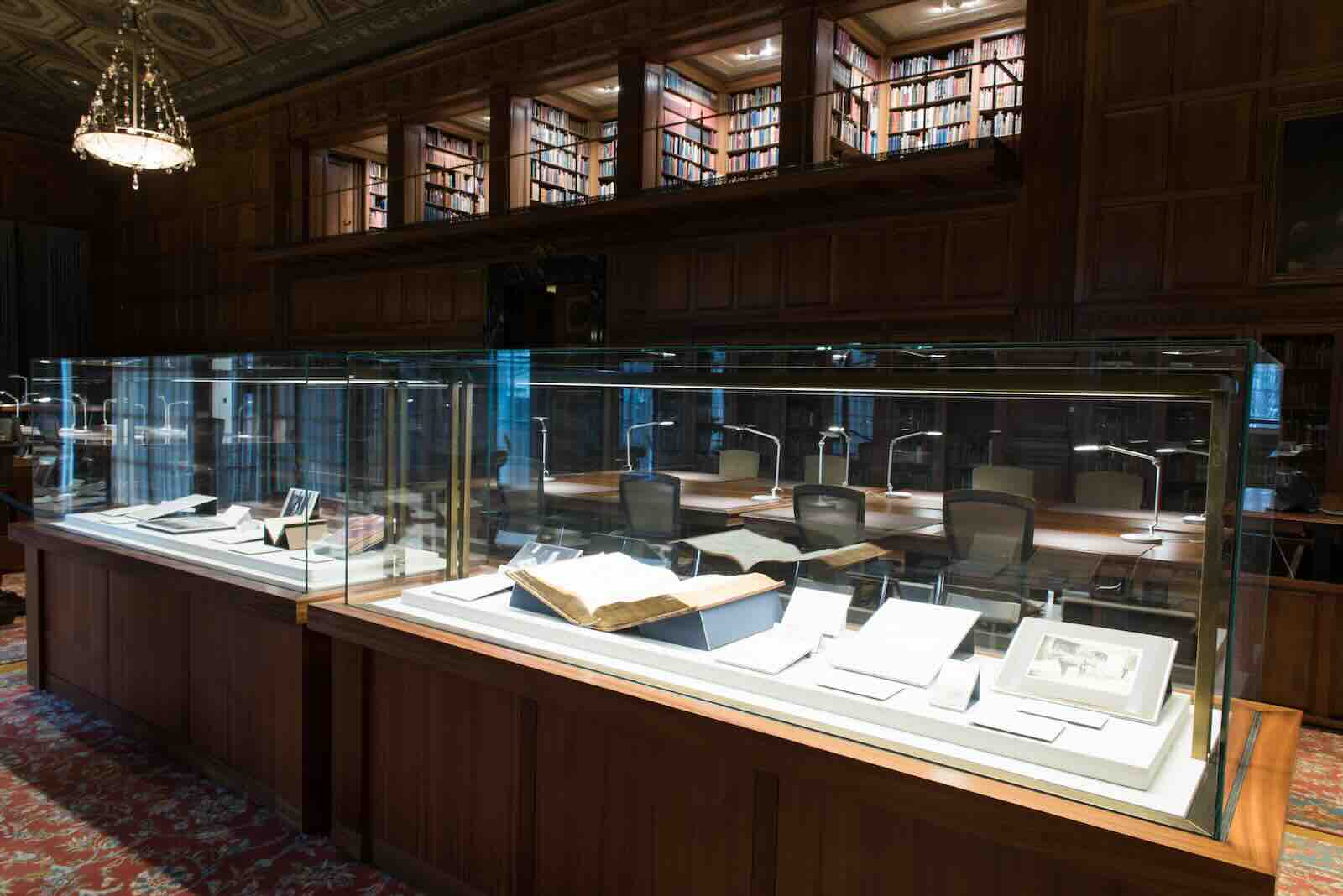
Yes! In September 2026, our new exhibit (that I co-curated with Library Director Paul Erickson) called “Who Counts? A History of Voting in America” will showcase the dramatic and dynamic ways that the logistics of voting were finessed in the country’s earlier years. Keep an eye on the Exhibits page for more details!