Major Harriet Beecher Stowe Collection Acquired by Vassar College
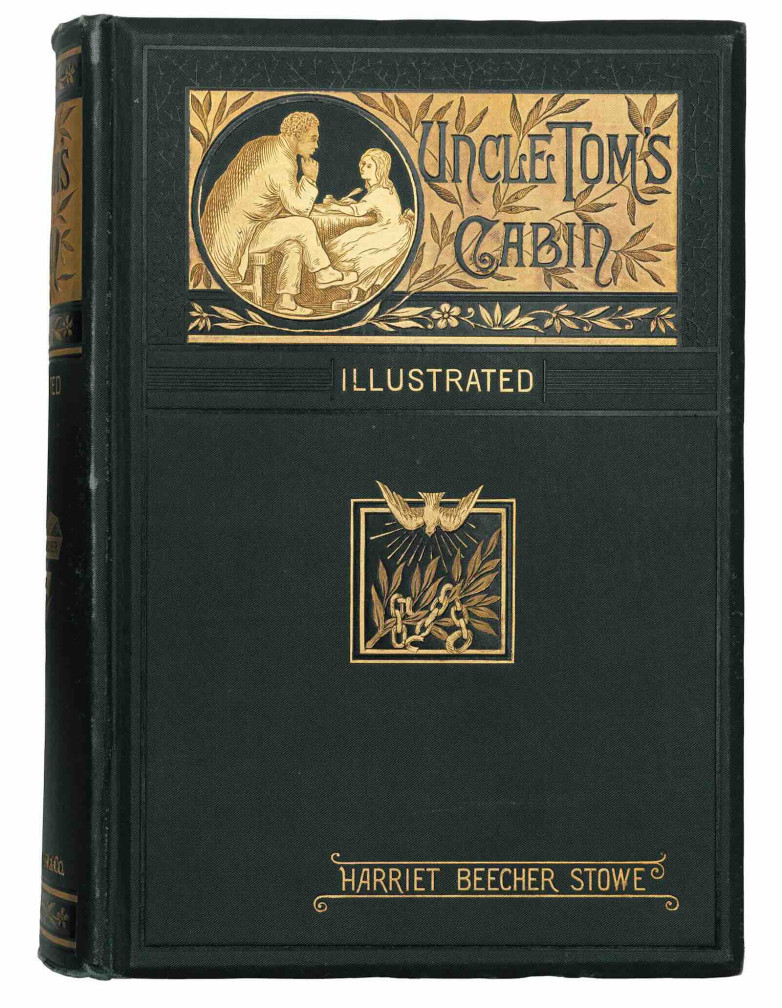
The acquisition includes a first edition of Uncle Tom's Cabin



One of the strengths of the Archives and Special Collections Library at Vassar College, Poughkeepsie, NY, is English and American Literature, especially the work of women authors, writes Ronald Patkus, Vassar’s Head of Special Collections and College Historian.
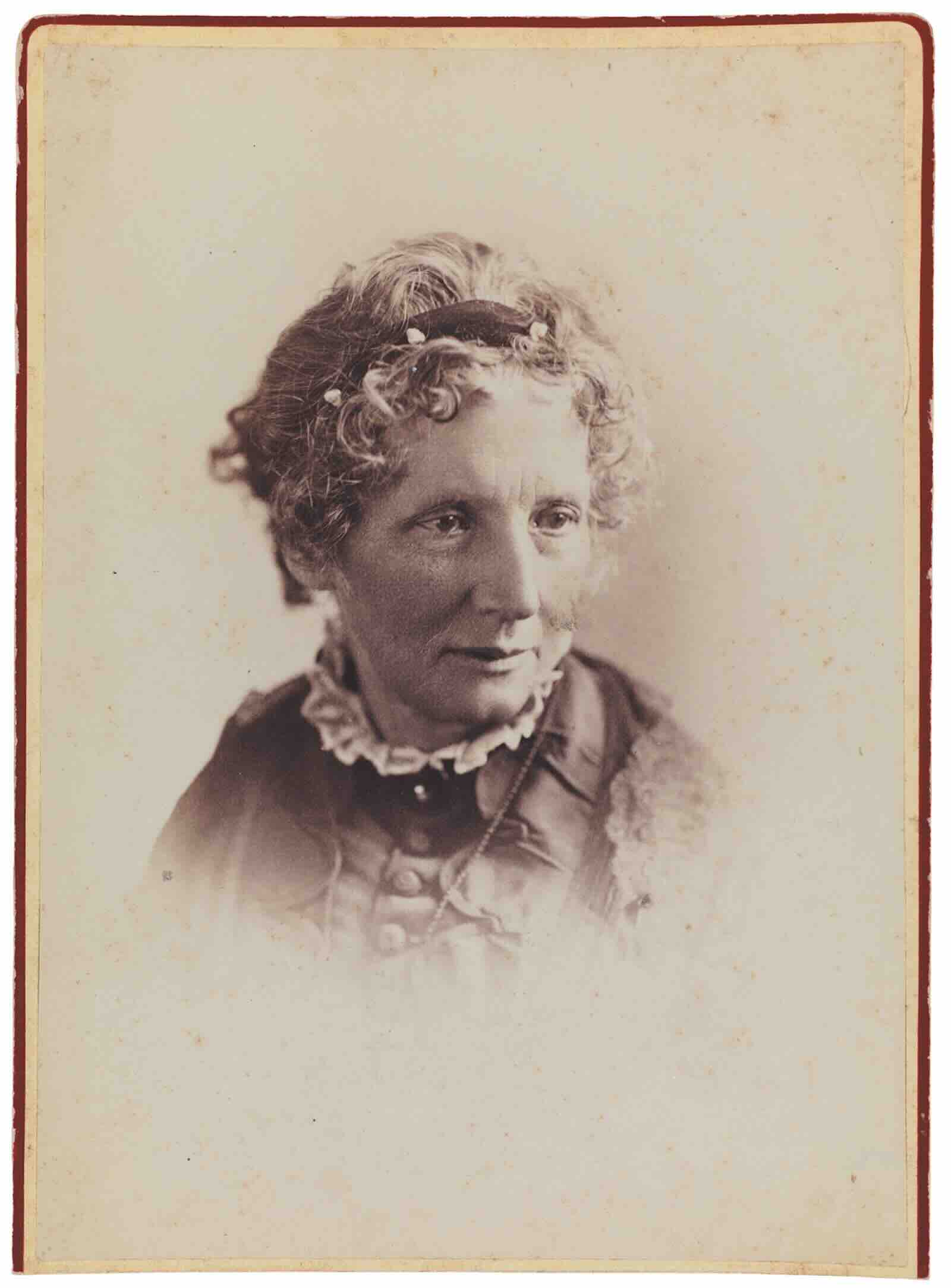
The Library recently received a major gift which adds significantly to these holdings: the Mary C. Schlosser Collection of Harriet Beecher Stowe and Uncle Tom’s Cabin. The collection is complemented by a large body of material relating to other members of the Beecher family, such as Lyman Beecher, Catherine Beecher, and Henry Ward Beecher (many titles by these authors were given by Schlosser in previous years).
A well-known collector and bibliophile, Schlosser is a member of the class of 1952 and a descendent of the Beecher family (Rev. Henry Ward Beecher, Harriet’s brother, was a trustee of the college from 1864 to 1868). The Schlosser-Stowe collection was the largest of its kind in private hands; it includes a wide range of materials, such as books, manuscripts, printed ephemera, photographs, musical scores, and artifacts.
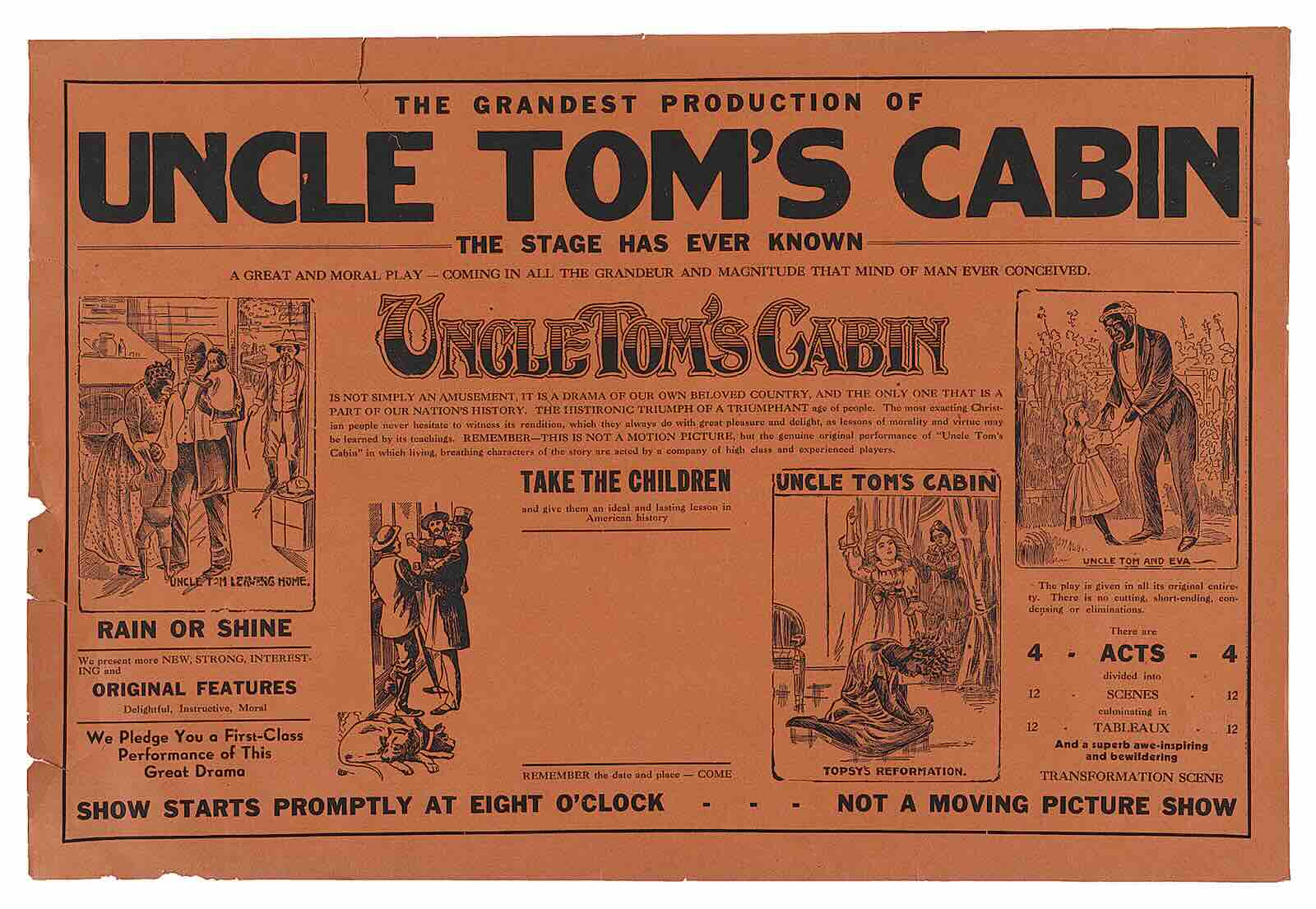
It documents not only the first appearance and early impact of Stowe’s work in the United States but also its effect in other countries and its lasting influence in American life as Uncle Tom's Cabin morphed and took on different forms in the culture.
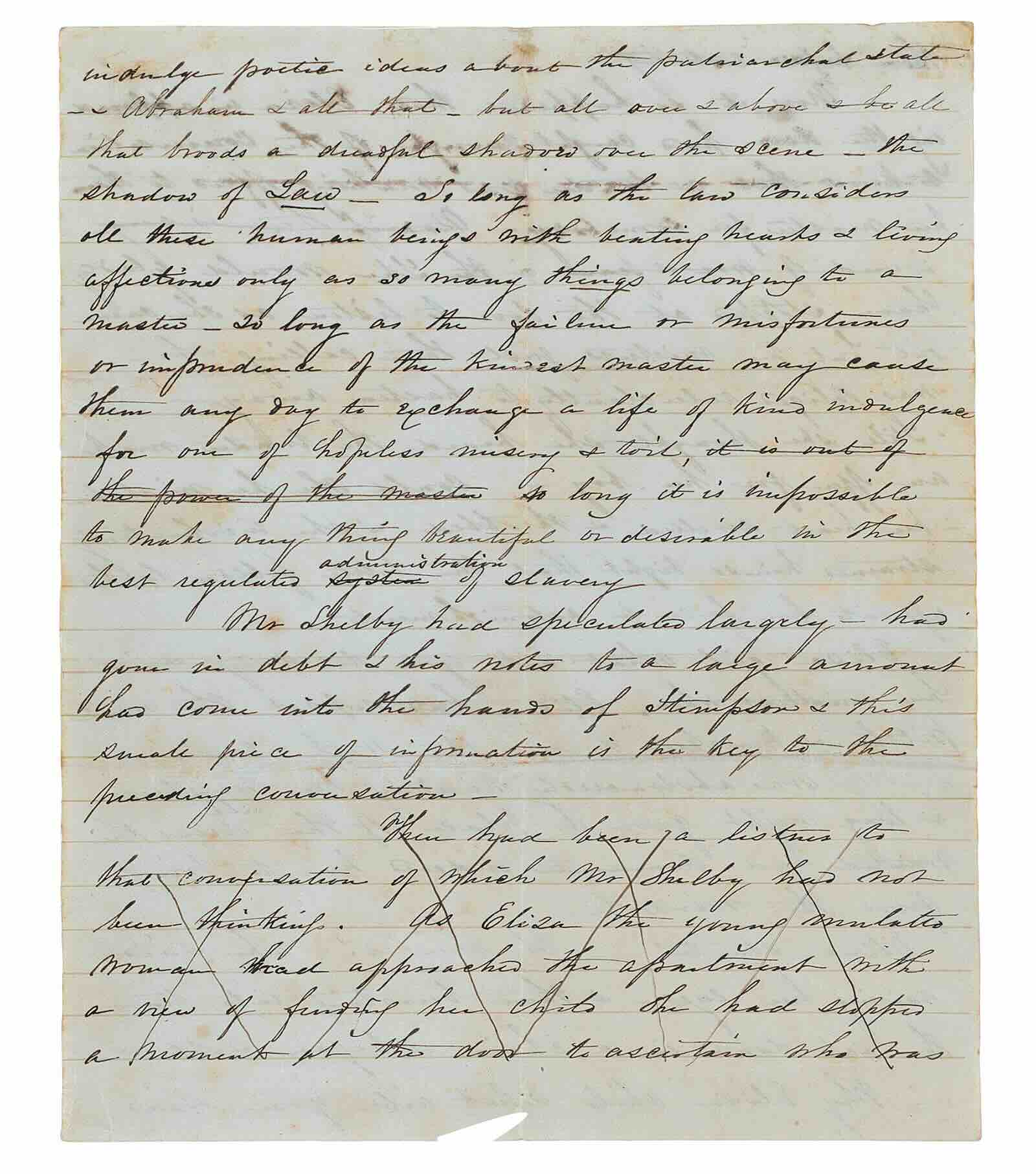
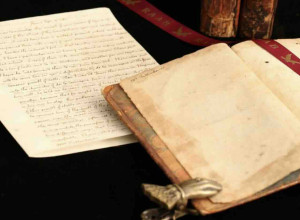
Among the highlights are issues of the abolitionist newspaper The Nation where the novel first appeared serially in 1851, first editions from around the world in a variety of languages, and rare surviving pages of the original handwritten manuscript.
Parts of the collection were exhibited in the Library in 2004, and plans are now underway to create a new show with accompanying programming. Much of the collection has been described and is viewable in a finding aid on the library website; the cataloging of bibliographic items is in process. Materials in the collection will be of interest to scholars and researchers and will be especially useful for teaching at Vassar, where learning by “going to the source “ is a long held tradition for students and faculty.