The Annals of Inisfallen Manuscript Goes On Display
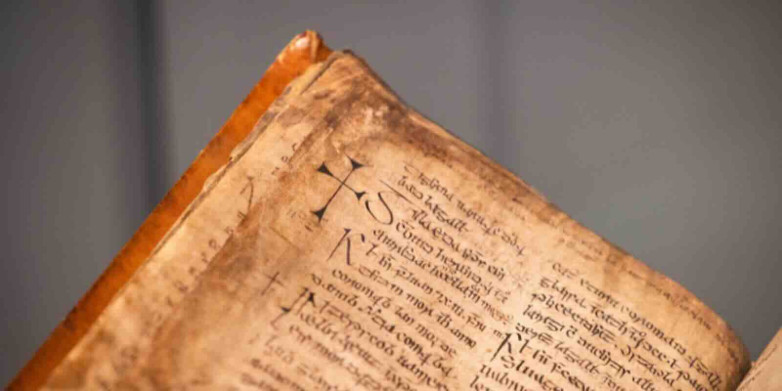
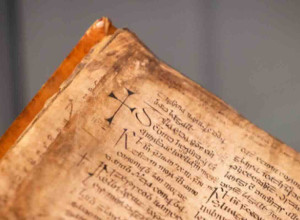
The Annals of Inisfallen, detail



One of Ireland's most significant medieval manuscripts is now available for the public to view in a major new free exhibition in University College Cork.
The 57 vellum leaves known as The Annals of Inisfallen, a single bound volume, consists of a year-by-year chronicle in the Irish language and Latin, first copied from an earlier exemplar around 1092 but then continued down into the 15th century by more than 40 later hands.
Invasions of Ireland from the mythical Tuatha Dé Danann, Viking raids on Skellig Michael off the coast of Kerry, and the coming of the Normans are all detailed in the manuscript, as are unusual occurrences such as comets, the great snow of 1047 and the gift of a camel from the King of Scotland to the great grandson of Brian Boru in the year 1105.
Much of the later, contemporary section concerns west Munster and is a vital eye-witness archive for Irish history and an important source for the development of the Irish language.
The manuscript is thought to have been initially copied in the monastery of Lismore in Co. Waterford from materials created in the monasteries of Clonmacnoise in Co. Offaly and Emly in Co. Tipperary. In the 12th century, the manuscript was brought to west Munster, most likely to the island monastery of Inisfallen, where the annual records were continued.
"This powerful, all-action history book is a monument to the work of a multitude of scribes who facilitated the transition from Latin to Irish as the language of record and scholarship, a language that, remarkably, is still very much with us,” said Pádraig Ó Macháin, Professor of Modern Irish at UCC.
The manuscript entered the collection of the 17th century Irish historian Sir James Ware before passing through subsequent collectors to Richard Rawlinson, whose bequest brought it to the Bodleian Libraries at the University of Oxford, where it has been preserved for more than 250 years.
The Annals are on public view until the 1st November.